The Four-Model Theory
A structural taxonomy of consciousness, with converging empirical support
Poster P56 · presented Thu 15 Oct 2026 · HCØ
Models of Consciousness 7 · Copenhagen 2026
Read
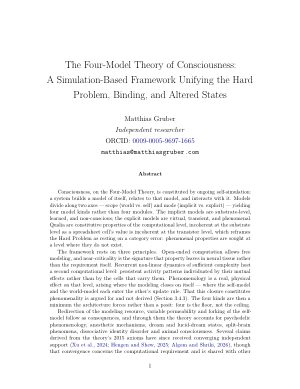
Paper · PDF The Four-Model Theory of Consciousness A Simulation-Based Framework Unifying the Hard Problem, Binding, and Altered States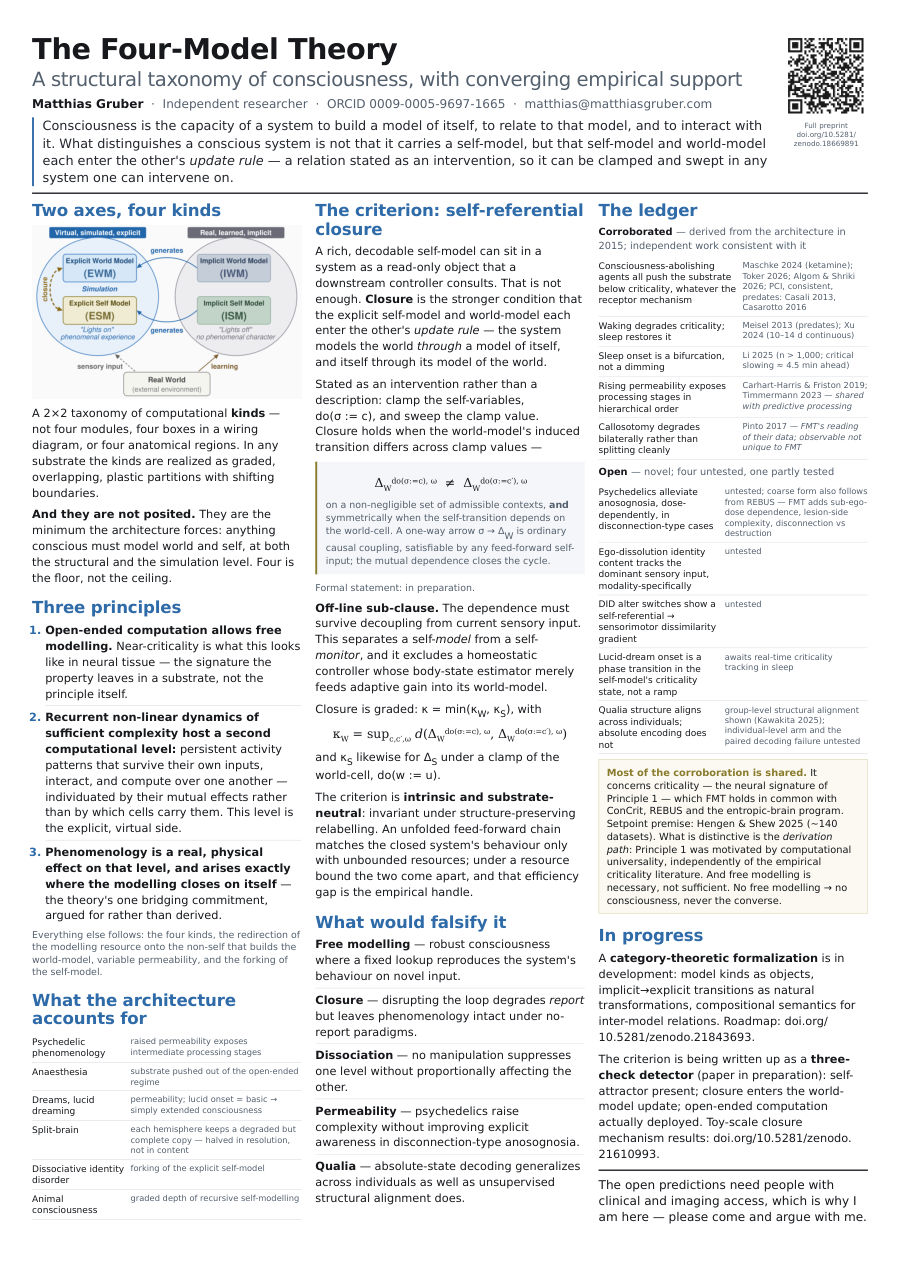
Prediction map
 Interactive · new
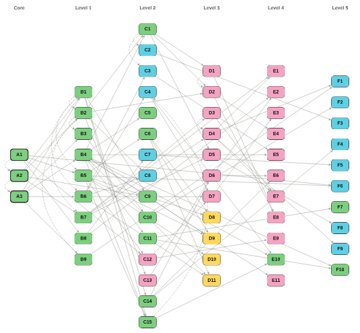
The FMT Prediction Map
The theory as a network of claims, from the core principles to the testable predictions. Compare it side by side with the maps of GNWT, IIT, PRM and RPT.
Related papers
The papers shown at the poster are listed by area: Consciousness · Cognition · Cosmology · all publications.
The handout & contribute
 For computer-science students
Run a registered experiment
Small, falsifiable tests of the theory in code. Register first, run the grid, return every row.
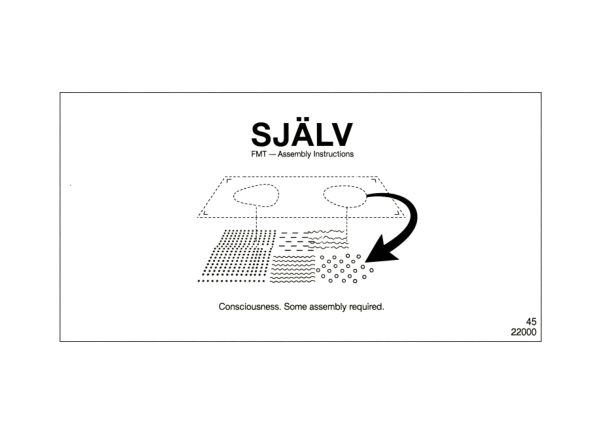 Booklet · PDF
SJÄLV — AC Assembly Instructions
The 12-page booklet handed out at the poster: the Four-Model Theory drawn as a flat-pack assembly manual for an artificial consciousness. Parts, assembly order, warnings, troubleshooting. Weights not included; three parts remain on backorder.
The QR code on the back cover leads to the paper’s concept DOI, 10.5281/zenodo.18669891, which always resolves to the newest version (v19 at present). The drawings were AI-generated from the author’s brief. For private, non-commercial use, on the same terms as the card deck below.
In preparation since MoC7
Drafts with working titles; the summaries describe the current drafts. Each gets its DOI here once it is deposited on Zenodo.
Books
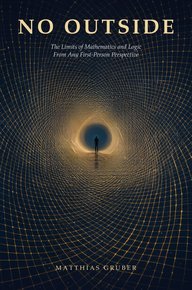 Book · open access · Zenodo 2026
No Outside
The Limits of Mathematics and Logic From Any First-Person Perspective
Every observer is part of what it describes. The book follows that one fact through mathematics, logic and physics.
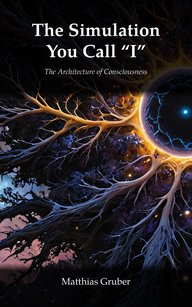 Book · 2026
The Simulation You Call “I”
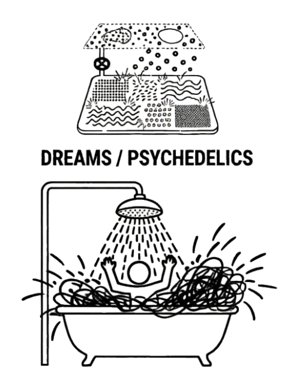
The Four-Model Theory for general readers, in nine language editions
Preprint · Zenodo 2026
The Worm on the Disk
Stored Trajectories and the Triviality Problem · companion paper, developed from Chapter 14
Robot card deck
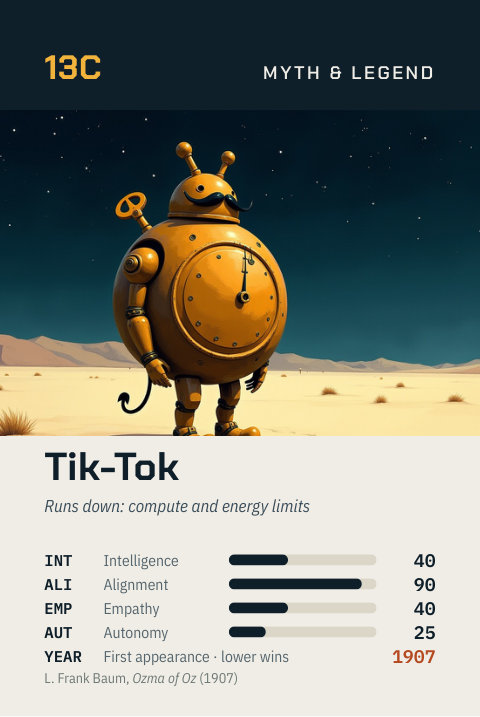 Kit · ZIP
Robot quartet — print-it-yourself kit
64 robots + 2 jokers, Top-Trumps rules, all card art, print-ready PDFs (59×91, business card 55×85, poker 63×88 with die-line), source and fonts
Terms of use. The cards, card art, card designs and print files are provided for private, non-commercial use only. Any commercial use (selling, printing for sale, merchandise, promotion) and any public use (re-publication, redistribution, public display or exhibition, use at public or organised events) is prohibited. The card art is AI-generated (FLUX, run locally). Robot names and likenesses may refer to third-party trademarks, which remain the property of their owners, and no affiliation or endorsement is implied. The bundled fonts remain under their own SIL Open Font Licences. Provided as is, without warranty.